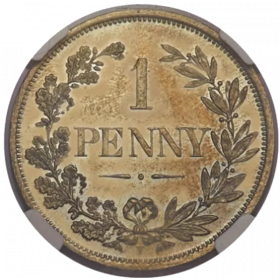
The Cape of Good Hope, also known as the Cape Colony, was a British colony in present-day South Africa that was established in the late 18th century. During its history, the Cape of Good Hope minted several coins for circulation within the colony.
One of the most well-known Cape of Good Hope coins is the elephant token, which was minted in the early 19th century and featured an image of an elephant on one side. These tokens were made of copper and were used as a form of currency in the Cape of Good Hope. They were also used as a means of exchange for goods and services.
Another notable Cape of Good Hope coin is the 1892 gold sovereign, which was minted to commemorate the diamond jubilee of Queen Victoria. These coins were made of gold and featured an image of the queen on one side and the Cape of Good Hope coat of arms on the other.
Cape of Good Hope coins is now highly sought after by collectors due to their historical significance and rarity. Many of these coins are now considered valuable and are often sold at auctions or through dealers specializing in antique coins.
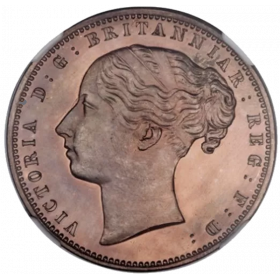
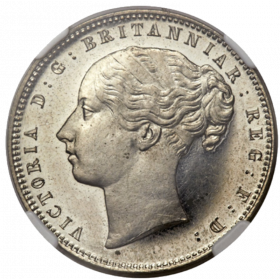
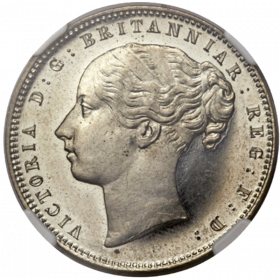
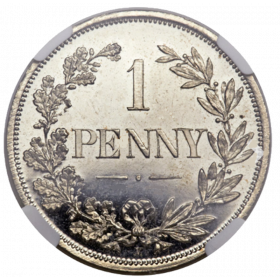
The 1889 Cape of Good hope patterns were struck in Europe, as salesman samples. Wolfgang Lauer prepared the dies and worked together with Otto Nolte of Berlin acting as agents to solicit coinage contracts. A few designs are known for this particular series. Around nine variants of 1P in the C.G.H. series are known with three different obverses and two reverses.
These patterns were produced with bronze, nickel-plated copper, aluminium, tin and silver compositions. One variety is where the obverse, depicting Queen Victoria is identical to 1890, Griquatown patterns, and the "1 PENNY" obverse is used as a reverse in the O.F.S and Z.A.R. series.
In conclusion, the Cape of Good Hope minted several coins during its history as a British colony, including the elephant token and the 1892 gold sovereign. These coins are now highly collectable due to their rarity and historical significance.