Europe is home to a rich and diverse collection of coins, ranging from gold and silver to historical and modern designs. Coins like the Gold Sovereign, and Euro coins highlight Europe’s unique cultural heritage, while offering valuable insights into the continent’s past. Collecting these coins is not only an investment in history but also a way to appreciate the intricate designs and craftsmanship of European minting.
Gold Sovereign (United Kingdom)
Description: The Gold Sovereign is one of the most iconic British coins, first minted in 1489 during the reign of King Henry VII. The modern gold sovereign weighs 7.98 grams and is made of 22-carat gold. The reverse design typically features Saint George slaying the dragon, while the obverse displays the portrait of the monarch. The Sovereign has been issued in various years and is a symbol of British history and royalty.
Vienna Philharmonic Gold Coin (Austria)
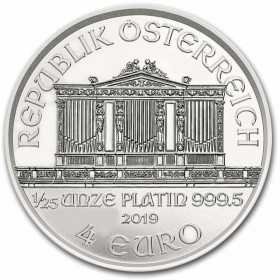
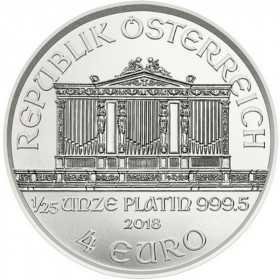
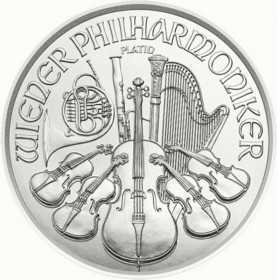
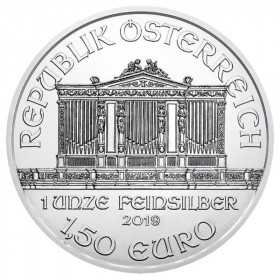
Description: First minted in 1989, the Vienna Philharmonic Gold Coin contains 1 ounce of 24-karat gold. It is the most popular gold coin in Europe. The reverse shows a pipe organ, representing the Vienna Philharmonic Orchestra, and the obverse features musical instruments associated with the orchestra. It is legal tender in Austria and is highly prized by investors for its craftsmanship and purity.
Britannia Coin (United Kingdom)
Description: The Britannia Coin was first minted by the Royal Mint. The coin features the personification of Britannia, a symbol of British pride, on the reverse, while the obverse bears the portrait of Queen Elizabeth II. This coin is significant for both its platinum content and its beautiful design, making it a favorite among investors and collectors of precious metals.
Euro Coins (Eurozone)
Description: The Euro is the official currency of the Eurozone, which includes 19 of the 27 European Union countries. The Euro coins come in denominations ranging from 1 cent to 2 euros, and the reverse side of the coins typically features national designs unique to each country, while the obverse has a common design depicting Europe or the European Union emblem. Euro coins are used across much of Europe and are essential in European trade and commerce.
Swiss Franc Coins (Switzerland)
Description: The Swiss Franc (CHF) is the currency of Switzerland and its coins are minted in denominations ranging from 1 cent to 5 francs. The Swiss 5-franc coin is particularly valuable, often minted in silver and featuring the Swiss cross or Helvetia (the personification of Switzerland). Known for their high quality and precision in design, Swiss coins are widely regarded as some of the most beautiful in Europe.
German Mark Coins (Germany)
Description: Before the introduction of the Euro, the German Mark (Deutsche Mark) was the official currency of Germany. The 1-mark coin featured the Brandenburg Gate, while the 5-mark and 10-mark coins often depicted famous figures like Ludwig van Beethoven. These coins were widely used from 1948 until 2002, and remain a popular piece for collectors of European historical coins.
French Franc Coins (France)
Description: The French Franc was the official currency of France until it was replaced by the Euro in 2002. The 100-franc coin often depicted Marianne, the national emblem of France, while the 5-franc coin featured a profile of Napoleon Bonaparte. French coins are famous for their artistic design and historical value, making them highly sought after by collectors.
Italian Lira Coins (Italy)
Description: The Italian Lira was the official currency of Italy before the adoption of the Euro in 2002. The Lira coins featured several denominations, including 1 lira, 5 lira, and 100 lira. The 100-lira coin often depicted the famous Vitruvian Man by Leonardo da Vinci, while other coins featured Italian national symbols and historical figures. The Italian Lira coins remain highly collectible, especially in their silver and gold forms.
Spanish Peseta Coins (Spain)
Description: The Spanish Peseta was the official currency of Spain before the adoption of the Euro in 2002. Coins like the 25-peseta and 50-peseta coins were often minted in silver and featured Spanish national symbols such as the coats of arms or portraits of King Juan Carlos I. The 5-peseta and 1-peseta coins were popular with everyday transactions, and today, these historic coins are highly sought after by collectors.
Dutch Guilder Coins (Netherlands)
Description: The Dutch Guilder was the official currency of the Netherlands before it was replaced by the Euro in 2002. The 1-guilder coin featured the Dutch lion, while the 5-guilder coin often depicted the portrait of King Willem-Alexander or the Royal Coat of Arms. Dutch Guilder coins are highly collectible due to their artistic quality and the historical significance of their designs.
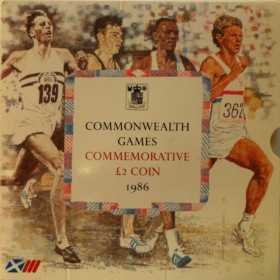
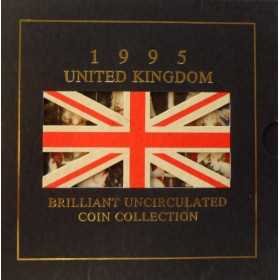
Royal Mint, Brilliant Unciculated Two Pound Coin, 1986
The 1986 Brilliant UNC coin collection includes a special two Pound coin issued to commemorate the XIIIth Commonwealth Games, which was held in Scotland.
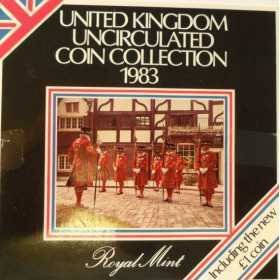
Royal Mint, United Kingdom, UNC Collection, 1983
Includes the new 1 Pound Coin
This uncirculated collection of 1983 dated United Kingdom coinage includes the historic one pound, which is the latest addition to the Nation’s range of circulation coins. His Royal Highness The Prince of Wales visited the Royal Mint and struck the very first one pound coin.